 Driftwood Defense
Termite Control in Grapeview, WA — Lake-Forest Properties Deserve Uncommon Detail
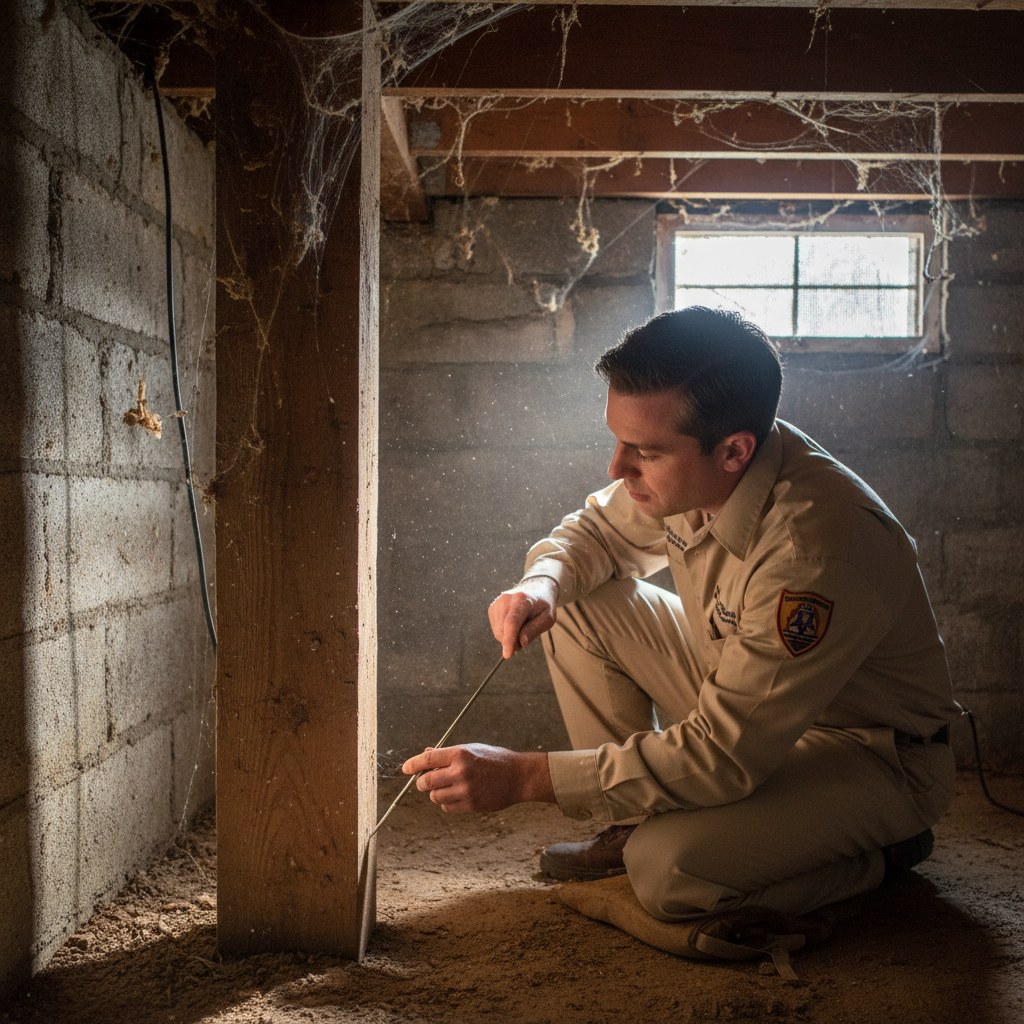
Grapeview's mix of older lake-cottage architecture and custom timber homes means no two termite situations look exactly alike. Foundations built into hillsides around Mason Lake often have earth-to-wood contact points that are invisible from the main grade. The same tall firs and cedars that make Grapeview so beautiful shed moisture, needles, and debris that hold dampness against siding and deck supports — exactly the conditions where western subterranean termites stage their initial attack. We crawl into the tight, rocky crawlspaces that are common to this neck of the county and map every mud tube, frass pile, and kicked-out headbolt before we start.
Our Grapeview-focused treatments account for what sits next door: wetlands, lake setbacks, wells, and the limitations of septic-drainfield proximity. Lot coverage that exceeds fifty percent trees means colonies can move from rotting stumps into structural floor joists in a single season. We use targeted soil termiticiding where the grade is stable, monitoring-and-baiting programs around sensitive shorelines, and localized wood treatments for mounted trim and cedar shakes. Post-treatment, we schedule follow-ups based on Grapeview's actual seasonal moisture cycle, so your home stays guarded through the damp winters and warm, swarm-triggering springs.
Termite activity in Grapeview, Washington moves differently than it does in open-lot subdivisions. Large parcels that lean into Mason Lake's eastern shore, heavily treed setbacks, and variable soil moisture create sustained pressure from both dampwood-loving and subterranean termite species. Recognizing that risk early can save the Douglas fir framing and cedar details that define so many homes along Grapeview Loop Road and Stretch Island.
We deliver targeted termite control in Grapeview that reads the land first. Before choosing treatments, we examine the property's drainage, wood-to-ground contact points, and the specific humidity conditions common to low-bank waterfront and hillside builds. This ground-level approach has stopped colonies hidden inside porch beams, lake-facing window walls, and perimeter crawlspace rim joists across the Grapeview area.
One call is all it takes to start.
Why Grapeview Homes Need Professional Termite Protection
Undisturbed Wooded Lots
Grapeview's large, tree-filled properties near Mason Lake and Case Inlet create continuous foraging highways for subterranean termites right up to your foundation.
Damp, Marine-Close Conditions
High humidity and moist soils from Puget Sound weather patterns accelerate wood decay, making siding and crawl spaces irresistible to termite colonies.
Older, True-Material Structures
Many Grapeview homes feature cedar shake, dimensional lumber, and post-and-beam construction that drywood termites attack from the inside out.
Seasonal Swarm Disguise
Spring termite swarms often go unnoticed on large, partially forested parcels, allowing colonies years to establish before visible damage appears.
Crawlspace & Grading Issues
Hillside builds and minimal crawlspace clearance in western Mason County create the dark, humid voids that subterranean termites prefer for mud-tube construction.
How We Stop Termites On Grapeview Properties
- Whole-Lot Termite Audit We walk every linear foot of foundation, deck-ledger, and water-facing exterior, then crawl into Grapeview's common hillside crawlspaces to map mud tubes and moisture entry points.
- Treatment Zone Design We design a plan specific to your site's soil type, well proximity, and landscape — balancing liquid termiticide in non-sensitive zones with bait-station grids near lake setback lines.
- Colony Elimination & Climate Correction We inject affected wood, replace bait monitors seasonally, and install vapor barriers or ventilation improvements that strip away the humidity termites require.
- Grapeview-Timed Follow-Up Because Grapeview's damp, shaded lots can quickly re-establish termite pressure, we return on a local-conditions calendar to re-inspect and re-treat thresholds before swarm season peaks.