 Driftwood Defense
Veteran-Trusted Rodent Control Services Across Fort Lewis
The dense woodlands and riparian zones surrounding Fort Lewis create the ideal harborage for Norway rats and deer mice to thrive before pushing into residential neighborhoods. When the Pacific Northwest rainy season hits, these pests aggressively seek out the warmth and dry shelter of crawlspaces, garages, and wall voids common throughout our housing. Our technicians understand exactly how base-adjacent construction and the surrounding training grounds influence rodent pressure, allowing us to intercept activity before it breaches your living areas.
Rodent control in Fort Lewis requires more than just setting a trap—it demands a perimeter-first strategy that accounts for the uninterrupted greenbelts backing up to our homes. We conduct forensic exterior inspections to seal the entry points rodents exploit, from utility line gaps to foundation vents, while commercial-grade tamper-resistant stations secure the boundary. If you hear scratching in the walls of your on-post quarters or spot droppings in the pantry of your Rainier neighborhood home, our rapid response team stops the infestation and thoroughly sanitizes the attic and subarea damage left behind.
Unwanted rodents don’t respect the boundary between the training fields of Fort Lewis and your home’s foundation. Rats and mice are drawn to the cover of our dense evergreen landscapes before targeting the warmth inside your walls, making professional pest protection essential for every on-base and surrounding residential property. Whether you're dealing with the heavy thumping of roof rats or the subtle scratching of house mice, permanent removal starts with a custom trapping and exclusion plan designed for this exact Western Washington environment.
We’re neighborhood PNW specialists who understand how the military tempo at JBLM shapes rodent behavior in attached housing, single-family homes, and storage areas across the Fort Lewis footprint. From securing the tiny utility penetrations that give mice access, to tackling the breeding populations nesting under your decking near the garrison, our team focuses on family safety, property preservation, and results that last beyond a single bait station refill.
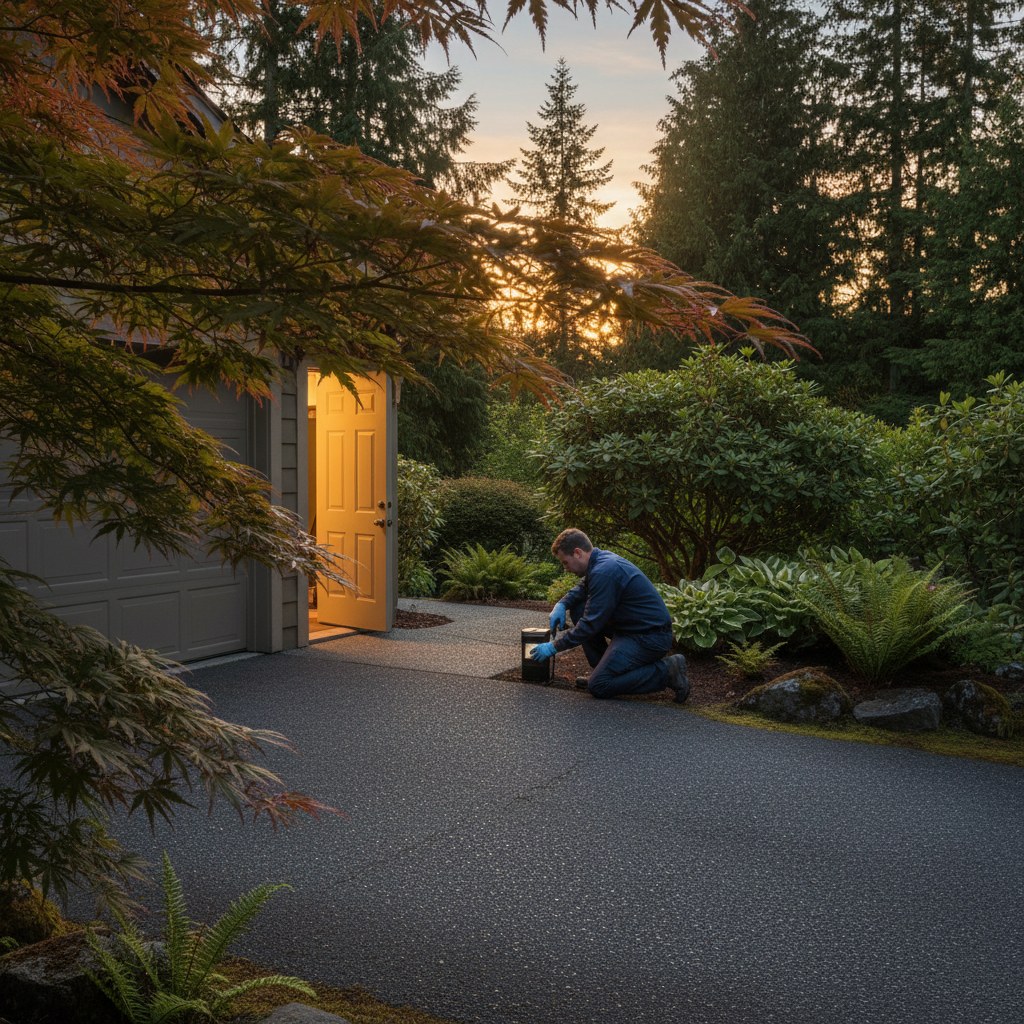
One call is all it takes to start.
Why Fort Lewis Homes Need Year-Round Rodent Defense
Structural Integrity Protection
Rodents gnaw continuously, damaging wiring, pipes, and wooden supports hidden in Fort Lewis crawlspaces.
Disease & Contaminant Prevention
We eliminate the droppings, urine, and nesting materials that spread hantavirus, salmonella, and respiratory irritants.
Military-Grade Peace of Mind
Built to meet the demands of base-adjacent residents, our service ensures your family's quarters remain secure and sanitary.
Insulation Preservation
Restore the thermal barriers that invading rats and mice tear through and soil, keeping your Pierce County energy costs down.
Allergen Reduction
Remove the shed hair and concentrated proteins from infestations that trigger asthma, especially critical for young children at home.
Our Fort Lewis Rodent Removal Roadmap
- Full Perimeter Investigation We walk the full Fort Lewis property line and crawlspace to pinpoint entry holes, gnaw marks, runways, grease trails, and the specific species invading your home.
- Strategic Trap & Bait Deployment Using commercial-grade snap traps in concealed placements and exterior tamper-resistant stations, we target active rat and mouse populations without exposing your family or pets to harmful indoor poisons.
- Military-Hardened Exclusion Work Our team permanently seals structural vulnerabilities with rodent-proof mesh, steel wool, and caulk around foundation gaps, vents, and roof returns that Fort Lewis rodents exploit.
- Attic & Subarea Decontamination We remove contaminated insulation, vacuum droppings with HEPA filtration, and apply a hospital-grade antimicrobial fog in attics and crawlspaces to reset your home’s air quality.
- Ongoing Perimeter Monitoring Our recurring checkups maintain a protective barrier around your Fort Lewis residence, adjusting the pressure as seasons shift and outdoor food sources dry up.